
Community
 Community
Shipping&Logistics News
Community
Shipping&Logistics News
Middle East tensions raise supply stakes for energy-hungry Korea
Date Created 2026.03.12 Views 10
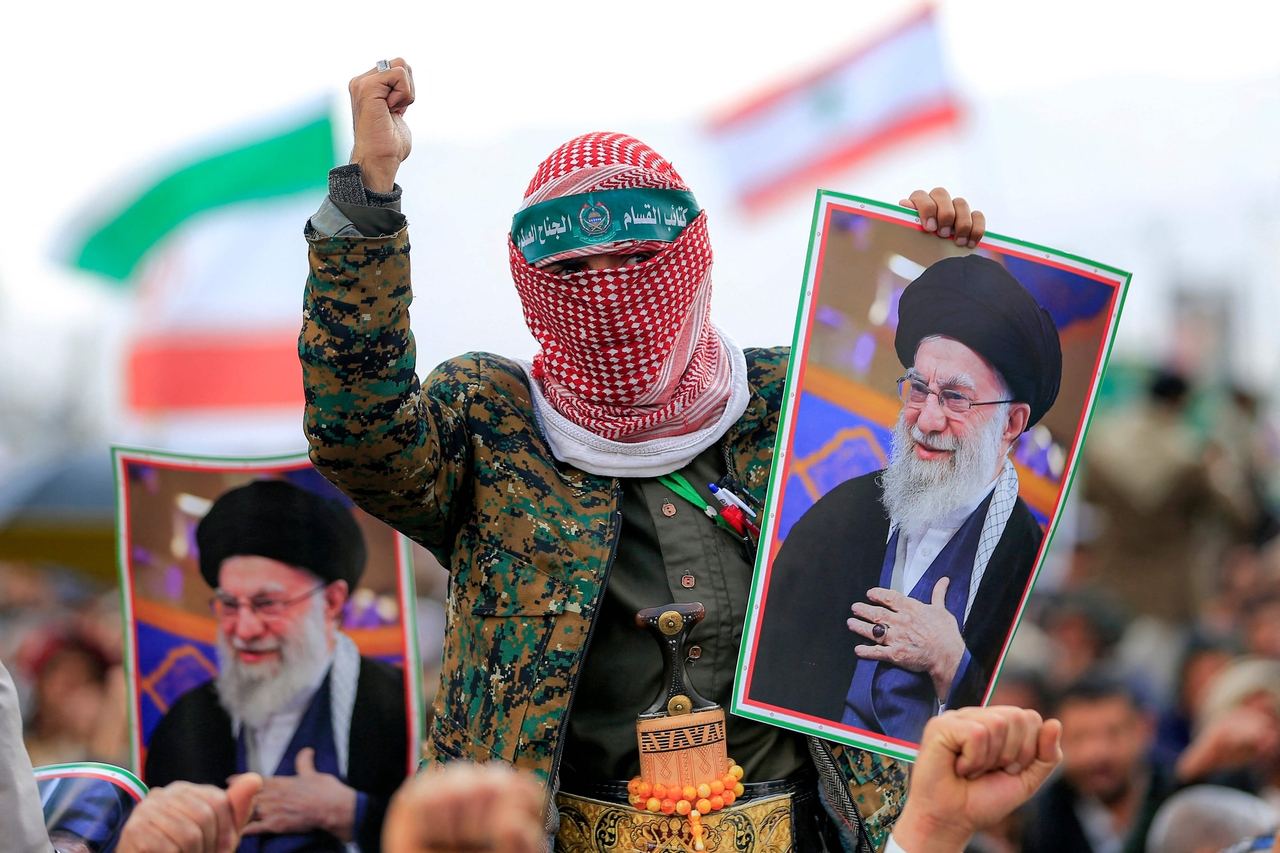
A masked man holds a picture of Iran's Supreme Leader Ali Khamenei during a memorial rally held by supporters of Yemen's Houthis, a day after Khamenei was assassinated during US and Israeli strikes on Tehran, in the Houthi-held capital Sanaa on Sunday. (AFP-Yonhap)
South Korea has been thrust into crisis mode as coordinated US and Israeli strikes on Iran, which led to the death of Supreme Leader Ayatollah Ali Khamenei, have made the Strait of Hormuz a volatile flashpoint, sending oil prices higher and rattling industries dependent on the waterway.
For an economy that imports roughly 70 percent of its crude oil and 20 percent of its natural gas from the Middle East, the strait is a commercial lifeline underpinning the operations of Korea’s oil refiners, shipping companies and airlines.
Following Iran’s warnings for vessels to avoid the Strait of Hormuz, at least three tankers were reportedly damaged near the waterway Sunday, maritime security agencies said. Brent crude opened 13 percent higher at $82 per barrel on Monday, with some analysts forecasting prices could climb to $100 if the strait is fully shut.
Amid the escalation, Korean refiners have been reviewing tanker routes, seeking spot cargoes and weighing longer-term diversification plans.
While immediate supply risks appear manageable for now, with combined public and private oil stockpiles estimated to cover nearly seven months of demand, mounting cost pressures across transportation and industry could weigh on broader economic activity should the crisis drag on.
“Even without a formal closure of the Strait of Hormuz, reports of attacks on civilian vessels are leading ships to steer clear of the area, with some turning back or remaining on standby,” said an official from the Korea International Trade Association. “Companies should alert buyers in advance to the possibility of unavoidable delays and factor logistics-related risks into contract terms by considering alternative shipping routes.”
According to KITA, a 10 percent increase in oil prices would reduce Korea’s exports by 0.39 percent while raising imports by 2.68 percent. Corporate production costs are projected to rise by 0.38 percent, with manufacturing businesses facing a sharper increase of 0.68 percent.
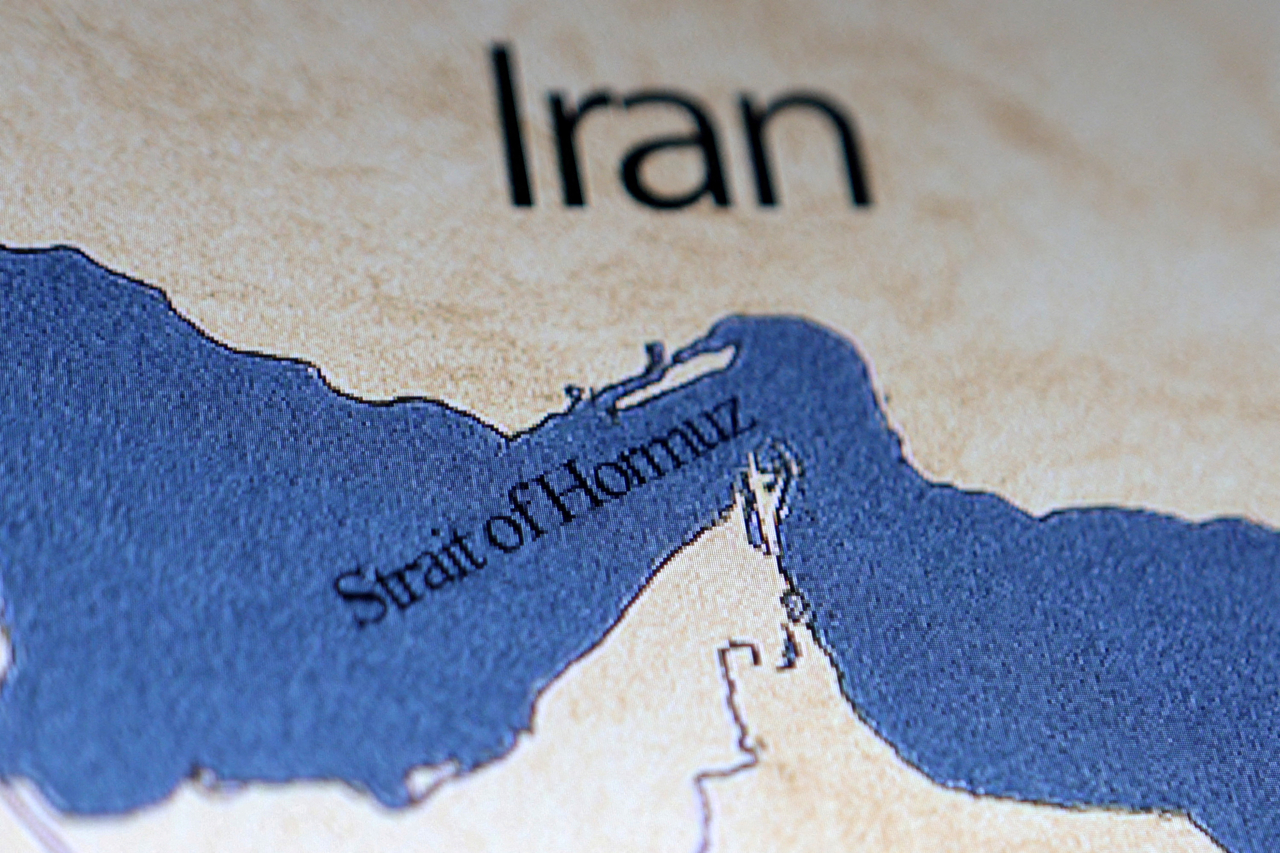
A map showing the Strait of Hormuz and Iran (Reuters-Yonhap)
Likewise, shipping companies such as SK Shipping and Pan Ocean are reviewing contingency measures, including possible route adjustments, as they brace for further escalation.
KITA said alternative routes via major Omani ports are available, yet rerouting could raise freight rates by as much as 50 percent to 80 percent and extend transit times by three to five days.
While the association noted that direct export exposure remains limited, with shipments to seven Middle Eastern economies accounting for just 1.9 percent of Korea’s total exports, or about $13.7 billion, analysts said a drawn-out conflict could hamper investment activity and disrupt research-and-development partnerships in the region.
A surge in oil prices, coupled with a weaker won amid global risk aversion, could further strain the aviation sector, whose dollar-denominated costs for fuel, aircraft leases and maintenance leave carriers exposed to both energy-price swings and currency volatility.
Korean Air, the country’s only carrier operating daily service between Incheon Airport and Dubai, United Arab Emirates, diverted a Dubai-bound flight back to Incheon midair on Saturday and canceled both the outbound and return flights the following day after the UAE closed its airspace.
“We will closely monitor developments and adjust our schedule accordingly,” a Korean Air official said, noting that further cancellations have been scheduled through Thursday.
In place of President Lee Jae Myung, who is on a state visit to Singapore, Prime Minister Kim Min-seok convened an emergency ministerial meeting Sunday, calling for closer monitoring of logistical risks tied to energy sources, along with a review of market stabilization measures.
He urged officials to “draw up plans to ensure stable supplies so as to limit the impact on domestic industries and households.”
Kim also called for measures to ensure the safety of Korean nationals in the Middle East and neighboring countries. According to the Foreign Ministry, no Korean nationals in Iran or Israel have been reported harmed as of press time.